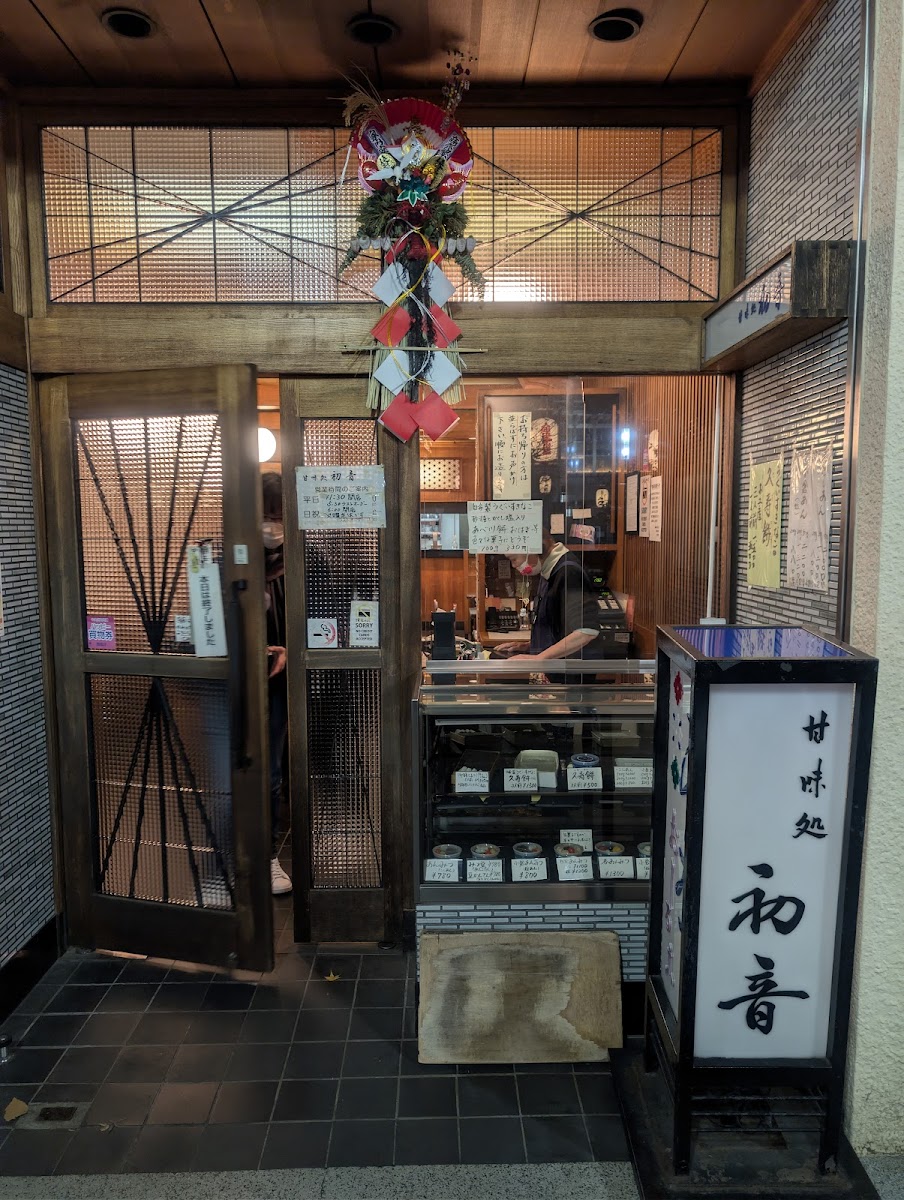
We got to experience the first restaurant filmed in the "Kantaro" tv show. this place is extremely old-school, and is only visited by locals who are in the know. it is still in the same exact condition as it was on the TV show. It is famous for its classic Japanese dessert "Anmitsu". At first, the staff did not really know how to engage with us since again foreigners do not really patronize this location. However, when we ask them about "Kantaro" the lady was extremely excited to know that we were friends of the show and even pointed us to a "Kantaro Menu". We ordered both the white Okinawan sugar and black Okinawan sugar varieties, and they were absolutely incredible. If you want to try something that is not overblown on social media, classic, and true to original Japanese desert history, this is it.
Overview
Hatsune sits quietly at 1 Chome-15-6 Nihonbashiningyocho, Chuo City, Tokyo 103-0013, Japan, and the first thing you notice is how little it tries to impress you at the door. No flashy signage, no crowd wrangler out front. Just a modest entrance that feels more like you’re stepping into someone’s personal kitchen than a long-running Tokyo restaurant. That understatement is intentional, and it sets the tone for everything that follows.
The menu is built around traditional Japanese comfort food, especially eel dishes that have made this diner a reference point for Nihonbashi regulars. I first visited on a rainy weekday afternoon, the kind of slow Tokyo day where locals duck in for lunch instead of tourists. Watching the kitchen work was half the experience. The eel is prepared using a time-intensive grilling method, repeatedly brushing on sauce and allowing the meat to caramelize gradually. This isn’t rushed cooking. It’s patient, deliberate, and rooted in techniques passed down for generations.
What stands out immediately is texture. The unagi is soft without falling apart, with a crisp edge that only comes from careful charcoal grilling. According to data from Japan’s Ministry of Agriculture, charcoal-grilled eel retains more natural oils than gas-grilled alternatives, which explains the richness without heaviness. You taste that difference here. The rice underneath isn’t an afterthought either; it’s slightly firm, designed to soak up sauce without turning soggy, a detail many places overlook.
Portion sizes feel honest. You’re not paying for excess, but you’re never left hungry. This balance shows experience, not trend-chasing. A chef I spoke with during a later visit mentioned that Hatsune still sources eel domestically when possible, despite rising costs and declining supply. The Food and Agriculture Organization has reported a global drop of over 70% in eel populations since the 1970s, and that reality shapes the menu. Availability changes, and the staff is upfront about it, which builds trust fast.
The location also plays a role in its identity. Nihonbashi has long been associated with merchants and craftsmen, and that legacy fits the restaurant perfectly. Lunch crowds are a mix of office workers, older couples, and the occasional food-focused traveler who did their homework. Reviews often mention the calm atmosphere, and that’s accurate. There’s no pressure to leave quickly, even when it’s busy. Staff move efficiently but never feel rushed, a hallmark of well-run family establishments.
Pricing reflects quality rather than hype. Compared to Michelin-listed eel specialists, Hatsune comes in more approachable while delivering comparable craftsmanship. Michelin inspectors often emphasize consistency and mastery of fundamentals, and while this spot doesn’t chase awards, it quietly meets those standards. The flavors are consistent across visits, something repeat customers notice immediately.
There are limitations worth mentioning. If you’re looking for a wide-ranging menu with experimental dishes, this isn’t that place. The focus is narrow by design, and seasonal availability can mean your favorite item isn’t always on offer. For some diners, that might feel restrictive. For others, it’s reassuring. You know what they do, and they do it well.
What keeps people coming back isn’t novelty; it’s reliability. In a city where restaurants open and close at lightning speed, Hatsune feels anchored. You leave with the sense that you’ve participated in something ongoing rather than consumed something trendy. That quiet confidence shows in the reviews, the steady lunchtime lines, and the way regulars greet the staff by name.
Good to know
Service options
✓ Takeaway ✓ Dine-in ✓ DeliveryHighlights
✓ Great dessert ✓ Great tea selectionPopular for
✓ Solo diningAccessibility
✓ Wheelchair-accessible car park ✓ Wheelchair-accessible entrance ✓ Wheelchair-accessible seatingOfferings
✓ Coffee ✓ Quick biteDining options
✓ Lunch ✓ Dessert ✓ Table serviceAmenities
✓ ToiletAtmosphere
✓ Casual ✓ Cosy ✓ QuietCrowd
✓ TouristsPhotos
Location
Reviews
Traditional sweets shop that serves anmitsu! Be warned they do not have an English menu and google translate did not work well with its vertically written cursive Japanese. However, the elderly lady working was most happy to describe and translate for us.
Nice place to sit down for a dessert after a meal, or, in lieu of a coffee. The interior is traditional and cozy. The various dessert on offer are nice. The shop apparently has been around for over 150 years.
Most delicious chewy mochi I've ever had. Menu is Japanese only and no pictures. Either google lens it, or decide beforehand with the display outside the shop or look at Google photos. The desserts are quite pricey for what you get but they serve good complimentary tea. Cash only.
I enjoyed “kuri anmitsu” which has sweetened chestnuts and some canned fruits on it. There are cubes of kanten (寒天)/agar, a scoop of anko red bean paste, mame beans, and gyuhi (求肥) which is a kind of mochi rice cake, but softer. You can choose kuromistu/black syrup or shiromitsu/white syrup. I chose shiromitsu syrup. It is sweet, but not too much. I could enjoy both the original taste of the ingredients and also the delicate flavour of the syrup. One thing is that only cash was accepted for payment. You need a face mask and sanitise your hand when entering the shop. (as of December, 2023) Note that the menu doesn’t have many photos. You can try your Japanese reading skills. Or you can try your speaking skills by asking the shop staff for some advice and explanation. ;)
Absolutely love this place. After watching kantaro on Netflix I had to come here and have anmitsu… and I wasn’t disappointed. The ingredients taste great, the shop is really quaint and cute. Be aware, there is no English menu and the staff do not speak English. I accidentally ordered incorrectly, but luckily it worked out fine anyway. Shiratama anmitsu with kuromitsu (black sugar) is a recommended dish. I saw other orders there and they all looked delicious.
I had no idea what to expect when I set out in search of Hatsune. Admittedly, I wanted to begin the Kantaro journey. I entered a cozy shop, took the same seat as Kantaro and the magic began. I was immediately served a cup of matcha green tea. I had prepared to order in Japanese but wasn’t able to answer all the staffs questions. They immediately understood I was trying to order the same thing as Kantaro and we were off to the races. Brown sugar sauce! Boom. Get ready for deliciousness. As soon as the dish was served I was in heaven. It was amazing and I went to a special place. God speed fellow sweet tooth salarymen.